Lights
Lighting that follows daylight
The more sun comes in, the fewer lights are on. Without touching a switch.
Installation with the building in use, compatibility with what is already there, data, regulations, contracts and support: answers to the questions we are asked most.
Not with the wireless installation: battery-powered sensors, meters and locks are fitted without new conduits, in a new build or in a building already in operation. Doors that need electrifying are prepared by an electrician. And in new-build homes or full renovations, it can also be installed wired with KNX.
Yes. Installation is done in phases, floor by floor, with the building in use, so residents, guests or employees can carry on with their day.
It starts with a technical visit to see what is installed and what can be read. From that we prepare a proposal with the products, the devices and the timelines per floor. Then we install and, once it's up and running, the building is looked after by our support team. It's all explained in deployment and support.
It depends on the building, on what it already has installed and on what is added. The timings for each floor are set out in the proposal, after the technical visit.
Yes. Alfred reads what is already installed instead of replacing it: HVAC and the BMS via BACnet/IP, meters and inverters via Modbus, lighting and blinds via KNX, and water and energy meters via M-Bus. Where data is missing, a wireless sensor is added. More in integrations.
No. Alfred connects to whatever BMS you have and brings its data onto the same platform as the rest of the building. The BMS still runs the building systems; Alfred cross-references that data with occupancy, consumption and access.
Depending on the device and the building: LoRa, Z-Wave, Zigbee, Wi-Fi and Bluetooth. Alfred's gateway brings them together and sends the data to the cloud.
It is assessed for each project: if you need the data in your systems or want your team to sign in with the company's corporate identity, tell us during the technical visit and we'll assess it with the product team. Tell us about your case.
For homes, Alfred Home currently works with Amazon Alexa. Siri and Google Home have been announced as coming soon. Find out more in Alfred Home.
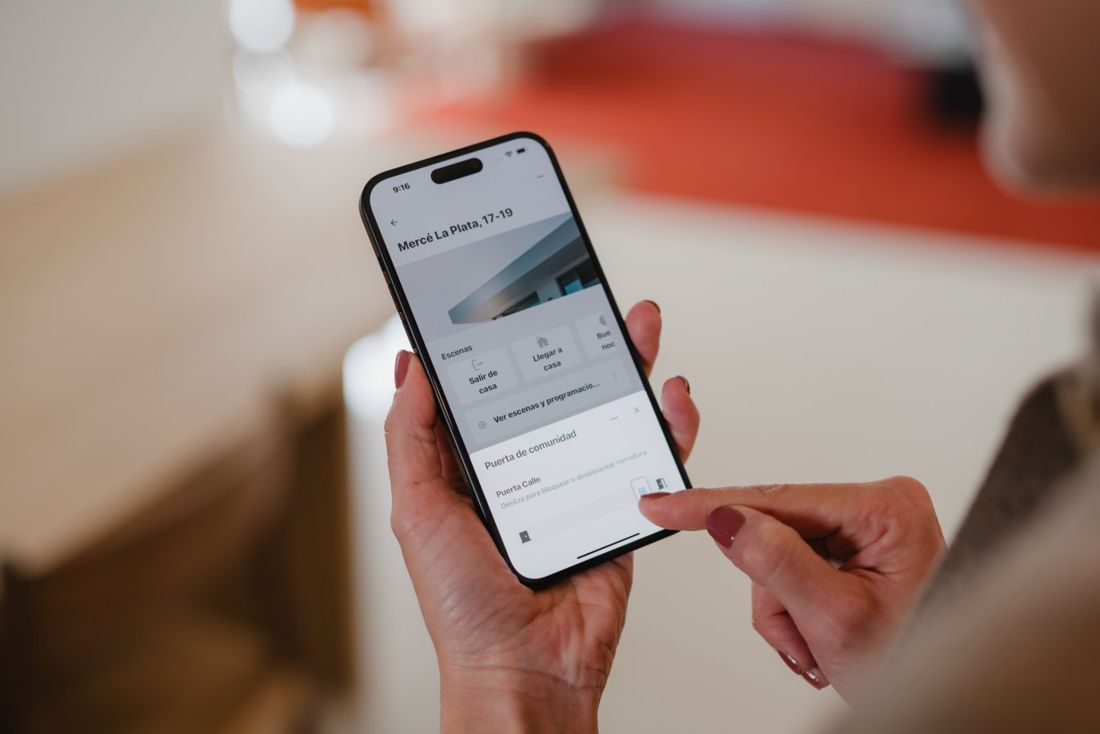
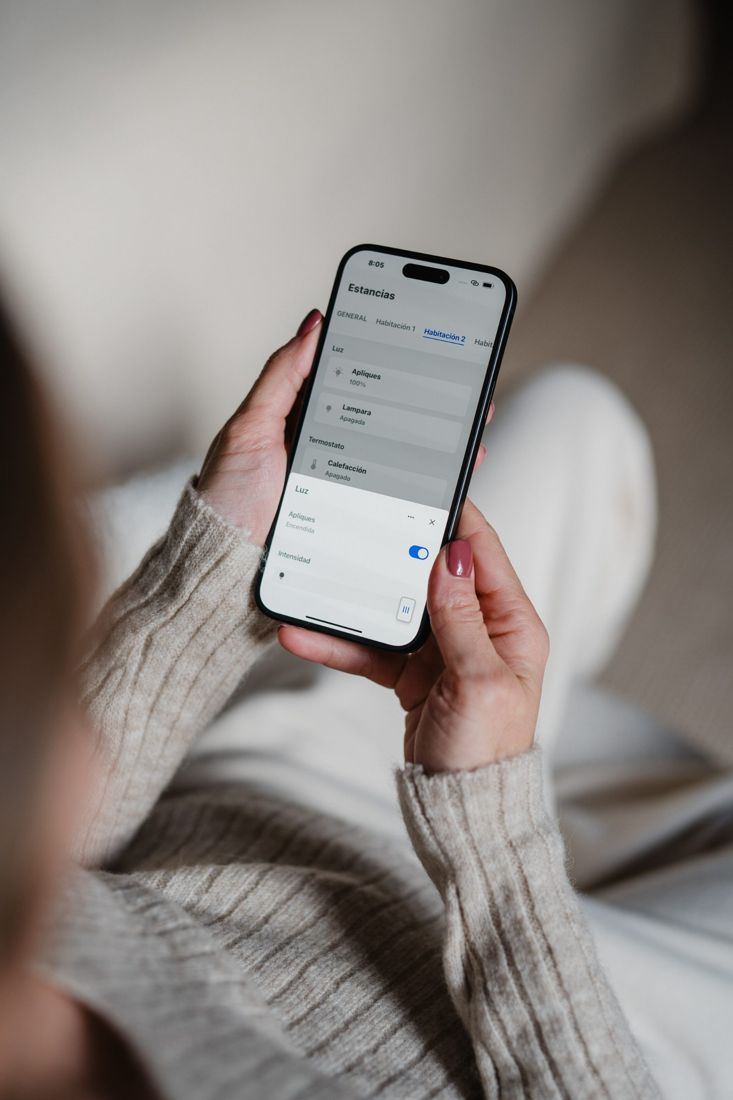
The manager logs into the Hub, where they see all their buildings, consumption, access, bookings and whatever needs their attention. People who live or work in the building use the Alfred Smart app: they open doors, book spaces, control the climate and lighting in their space and see their consumption.
Yes: what is measured once is used at the same time to prepare for the EPBD, for BREEAM, LEED or WELL credits, for ESG reporting and to rebill consumption. Start with the regulations that apply to you or try the EPBD checker.
On the Alfred Smart platform: the gateway installed in the building and the cloud are ours, not a third party's. The manager decides who has access to each building from the Hub.
No. Occupancy detection uses no cameras and records no images: the sensors detect whether someone is in the space, not who they are.
BREEAM Vivienda is for new builds: Alfred's sensors and app cover the SYB 12 “Smart homes” requirement, mandatory from Very Good, without the need for a BMS. BREEAM In-Use is for buildings already in operation: we separate the consumption of shared areas, commercial units and homes without entering private areas. You'll find it in BREEAM Vivienda and BREEAM In-Use.
The certificate lasts three years and you have to keep providing data. Alfred covers Part 1 monitoring and Part 2 data for those three years, with the same installation. More in BREEAM In-Use.
For now, the only thing in force in Spain is automation and control (BACS) in non-residential buildings with HVAC above 290 kW, under the RITE. The rest of Directive (EU) 2024/1275 depends on a transposition that does not yet appear to have been published. With the EPBD checker you can see what might apply to you and how to prepare for it.
Metrics checks that every measuring point is sending what it should: it detects gaps, frozen or impossible values and meters that run backwards, and alerts the building's team when a data point is missing. It is explained in data quality.
It measures four dimensions of the building: what it generates, what it consumes, how it feels (temperature, CO₂, humidity) and how it is used (occupancy). Cross-checking them explains why the building uses what it uses. More in the four Metrics dimensions.
We don't yet have a case with measured savings, so we don't give a figure. What we offer is a limited pilot in your hotel or building to measure it on your own installation. In the meantime, the Eco calculator estimates what is spent today on empty rooms; it is an estimate of the spend, not a guaranteed saving.
Yes. Each product works on its own, and Metrics, Eco, Spaces, Comms, Home and Lock live in the same app and the same Hub. The usual approach is to start with one and add the next on the same installation. You'll find them all in products.
There are two parts: the project, which includes the devices and installation, and a recurring fee for the platform and each product's licences. Every proposal separates one-off costs from recurring ones.
It depends on the size of the building, what it already has installed and the products you choose, so we don't publish fixed prices. After the technical visit we send you a proposal with the price of each part. Tell us about your building and we'll prepare it for you.
Our own support and maintenance team, not a third party. It looks after the building manager and, in homes, the app user.
Yes, with Alfred Home: lights, climate control, blinds, lock and consumption in the app. In most homes it is installed wirelessly, with no building work; in new builds or full renovations it can also be wired with KNX. Request a quote in the form for your home. If you're an installer and want to install Alfred, take a look at Alfred Experts.
Write to us and our team will get back to you.